Stephen Scott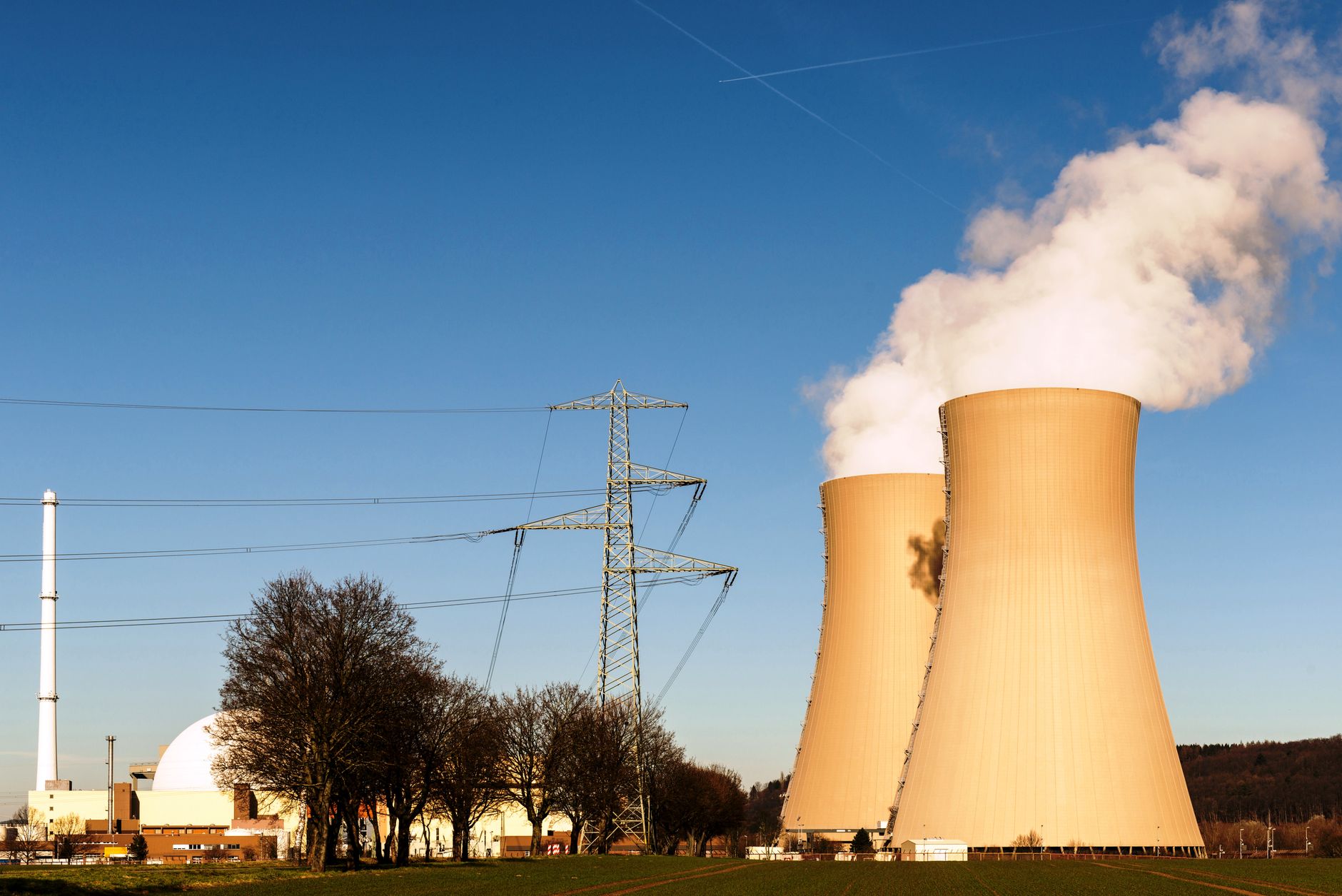
nuclear power financing is essential for India’s energy strategy. As the nation looks to expand its nuclear capabilities, a clear financing strategy is vital for sustainable growth.
Understanding India’s Nuclear Power Needs
India’s energy landscape is undergoing a significant transformation, with nuclear power emerging as a crucial component in meeting the country’s growing electricity demands. As the government aims to increase the share of nuclear energy in its energy mix, understanding the financing aspects of nuclear power becomes essential.
Currently, India relies heavily on coal and fossil fuels, which contribute to environmental degradation and unsustainable energy practices. In contrast, nuclear power offers a cleaner alternative, characterized by lower greenhouse gas emissions. However, the successful expansion of nuclear energy hinges on a well-defined financing strategy.
Several factors need to be considered in developing this strategy:
- Investment Requirements: Nuclear projects require significant upfront capital, necessitating robust financial frameworks.
- Public-Private Partnerships: Encouraging private investment can alleviate some financial burdens on the government.
- International Collaboration: Engaging with global partners can provide not only financial resources but also technological expertise.
- Regulatory Framework: Establishing a clear and supportive regulatory environment will attract investors and facilitate financing.
In conclusion, addressing these key aspects of nuclear power financing will be vital for India to harness the full potential of its nuclear capabilities and transition towards a sustainable energy future.
Current Financing Challenges
The financing landscape for nuclear power in India faces several significant challenges that need to be addressed to ensure successful expansion and sustainability of the sector. Currently, the reliance on government funding poses limitations on the pace at which new projects can be initiated and completed.
Several factors contribute to the current financing challenges:
- High Initial Costs: Nuclear power projects require substantial upfront investments, which can deter private investors and lead to long lead times before projects become operational.
- Regulatory Uncertainties: Frequent changes in regulations and policies create an unpredictable environment for investors, complicating long-term financial planning.
- Public Perception: Concerns regarding safety and environmental impact can affect public support for nuclear initiatives, making it difficult to secure necessary funding.
- Competition from Renewables: The rapidly decreasing costs of renewable energy sources such as solar and wind energy have made them more attractive investments, diverting potential funding away from nuclear projects.
To overcome these challenges, a strategic approach to nuclear power financing is crucial. This may involve fostering public-private partnerships, enhancing regulatory clarity, and promoting community engagement to build trust and support for nuclear initiatives. By addressing these issues, India can pave the way for a more robust nuclear power sector.
Best Practices for Nuclear Investment
As India seeks to expand its nuclear power capacity, adopting best practices for nuclear investment becomes crucial. A clear financing strategy is essential to ensure the successful implementation of nuclear projects and to meet the growing energy demands of the country.
Several approaches can be considered to enhance nuclear power financing:
- Public-Private Partnerships: Encouraging collaboration between the government and private sector can mobilize resources and expertise, reducing the financial burden on the state.
- International Collaborations: Partnering with countries that have advanced nuclear technology can provide access to funding, knowledge, and best practices in project management.
- Green Bonds: Utilizing green bonds specifically for nuclear projects can attract environmentally conscious investors and provide a stable funding source.
- Regulatory Support: Establishing a clear and predictable regulatory framework can enhance investor confidence and facilitate financing by reducing risks associated with nuclear investments.
- Innovative Financing Mechanisms: Exploring options such as blended finance or risk guarantees can help attract diverse funding sources and lower the cost of capital.
By implementing these best practices for nuclear power financing, India can effectively navigate the challenges ahead and position itself as a leader in sustainable energy development.
Future of Nuclear Energy in India
The future of nuclear energy in India hinges significantly on effective nuclear power financing. As the country aims to enhance its energy security and reduce dependence on fossil fuels, a robust financing strategy becomes paramount. With ambitious targets for nuclear capacity expansion, India must navigate various financial avenues to support its endeavors.
To realize its nuclear ambitions, India can consider the following strategic approaches:
- Public-Private Partnerships (PPPs): Engaging the private sector can help mobilize capital and share risks associated with nuclear projects.
- International Collaboration: Partnering with countries possessing advanced nuclear technologies can facilitate funding opportunities and knowledge exchange.
- Green Financing: Tapping into green bonds and sustainable investment funds can attract environmentally-conscious investors looking to support low-carbon technologies.
- Government Support: Increased governmental funding and incentives can provide initial capital needed to kick-start large-scale nuclear projects.
Furthermore, addressing public concerns about nuclear safety and waste management is essential to garnering support for financing initiatives. By fostering transparency and community engagement, India can build trust and facilitate smoother financing processes.
In conclusion, a well-structured approach to nuclear power financing will be critical in ensuring that India can meet its energy demands while contributing to global efforts in combating climate change.
As India explores various approaches to energy sustainability, understanding the nuances of nuclear power financing is crucial for attracting both domestic and international investments. By analyzing successful models from other countries, India can develop a robust framework for nuclear power financing that aligns with its economic and environmental goals.
Photo by Wolfgang Weiser on Pexels