Stephen Scott
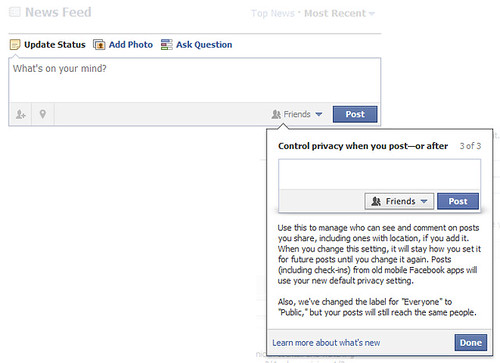
Google Privacy Update is set to reshape how connected apps influence AI mode advertisements. This change promises to enhance user experience while maintaining privacy standards.
Understanding the Google Privacy Update
The recent Google Privacy Update is set to transform how advertisements are tailored in the age of artificial intelligence. This update allows connected applications to play a crucial role in shaping ads that are more relevant to users’ preferences without compromising their privacy.
Key aspects of the update include:
- Enhanced User Control: Users will have greater control over their data, enabling them to customize their ad experiences.
- Improved AI Algorithms: The update promotes the development of AI algorithms that respect user privacy while optimizing ad targeting.
- Integration of Connected Apps: Advertisers can now utilize data from various applications to create a cohesive and personalized advertising experience.
Overall, the Google Privacy Update marks a significant step towards balancing user privacy with the need for effective advertising, paving the way for a more intelligent and respectful approach to AI-driven ads.
Impact on AI Mode Advertisements
The recent Google Privacy Update is set to significantly transform the landscape of AI mode advertisements. As the tech giant enhances privacy measures, advertisers will need to adapt their strategies to align with these new guidelines.
One major impact is the shift towards data-driven insights that respect user privacy. This update encourages the use of aggregated data instead of individual tracking, fostering a more ethical advertising environment.
Marketers are now focusing on:
- Contextual advertising that delivers relevant ads based on the content users engage with.
- First-party data, enabling companies to build trust and create personalized experiences without infringing on privacy.
- Enhanced transparency in how user data is collected and used, aiming to build consumer confidence.
Ultimately, the Google Privacy Update is paving the way for a future where AI mode ads operate effectively while prioritizing user privacy.
How Connected Apps Shape Ads
The recent Google Privacy Update marks a significant shift in how connected apps influence advertising strategies. As companies adapt to these changes, the integration of user data from various applications becomes vital for crafting personalized ad experiences.
Connected apps can now utilize artificial intelligence to analyze user behavior across multiple platforms. This capability allows for:
- Enhanced targeting: Advertisers can reach audiences more effectively by understanding their preferences and habits.
- Dynamic content: Ads can be tailored in real-time based on user interactions with connected apps.
- Improved engagement: Relevant ads foster a deeper connection between users and brands.
As the digital landscape evolves, the role of connected apps in shaping AI-driven advertisements will become increasingly prominent, paving the way for a more personalized advertising experience while adhering to the guidelines set forth by the Google Privacy Update.
User Reactions to the Update
User reactions to the Google Privacy Update have been mixed, as users grapple with the implications for their online experience. Many express concern over how their data will be utilized in the new advertising landscape.
- Privacy Concerns: A significant number of users are worried that increased personalization may come at the cost of their privacy, prompting discussions on data security.
- Benefits of Personalization: Conversely, some users appreciate the potential for more relevant ads, believing that tailored content could enhance their online experience.
- Transparency Issues: Many have highlighted the need for clearer communication from Google regarding how AI will shape ads under the new framework.
- Adaptation to Change: Overall, users are cautiously optimistic, hoping that the Google Privacy Update will lead to a balance between personalized advertising and user privacy.
As the landscape evolves, feedback will undoubtedly play a crucial role in shaping future updates and features.
By joe.ross via Openverse
References
Related reading
DeepSeek AI model reveals serious safety gaps in tests · Is GPT-6.1 Terra API the Best Value for Agent Work? · NVIDIA RTX GPU performance: Is it the Best Proven Upgrade?