Stephen Scott
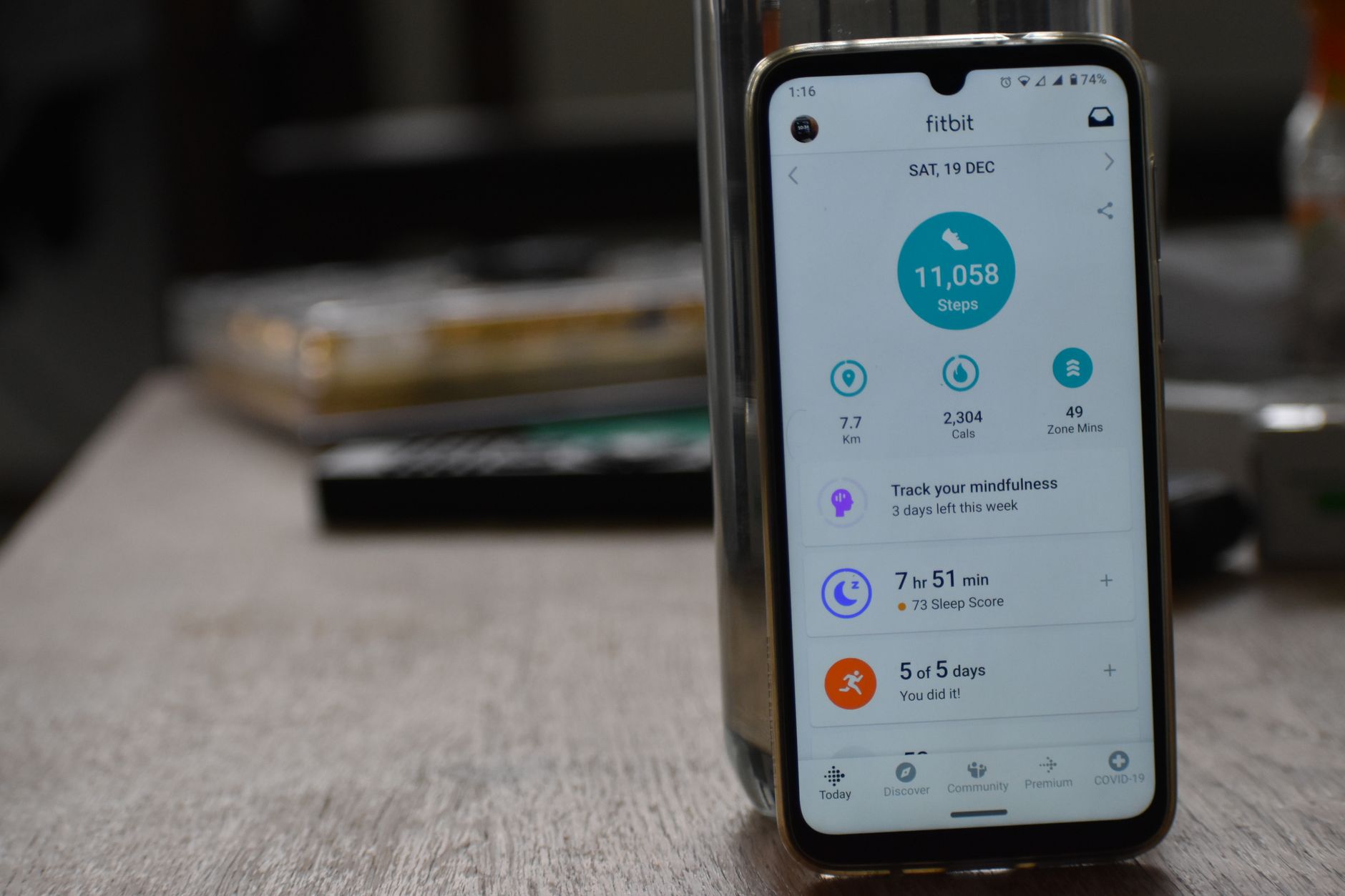
Fitbit Edge vs Fitbit Air highlights the key differences between these two popular fitness trackers. Understanding their unique features can help you make an informed decision on which device suits your lifestyle better.
Overview of Fitbit Edge and Fitbit Air
The wearable technology market continues to evolve, with the latest competition between the Fitbit Edge and Fitbit Air capturing the attention of fitness enthusiasts. Each device offers unique features tailored to different user needs, making the choice between them more significant than merely selecting a brand.
The Fitbit Edge emphasizes advanced tracking capabilities, including heart rate monitoring, sleep analysis, and built-in GPS for outdoor activities. Its sleek design and customizable watch faces appeal to users who appreciate both function and style. Additionally, the Edge boasts a longer battery life, allowing for extended usage without frequent recharging.
In contrast, the Fitbit Air prioritizes versatility and ease of use. It features a lightweight design and a vibrant display, making it ideal for those who engage in casual fitness activities. The Air integrates seamlessly with other smart devices, allowing users to receive notifications and control music directly from their wrist.
Ultimately, the choice between the Fitbit Edge and Fitbit Air will depend on individual fitness goals and preferences, as both devices bring distinct advantages to the table.
Key Features of Fitbit Edge
The Fitbit Edge offers a range of impressive features that cater to fitness enthusiasts and casual users alike. One of its standout attributes is the enhanced heart rate monitoring, providing accurate readings throughout the day and during workouts. This feature is essential for users looking to optimize their exercise routines.
Additionally, the Fitbit Edge comes equipped with a built-in GPS, allowing users to track their outdoor activities without needing to carry their phones. This is particularly beneficial for runners and cyclists who prefer a more streamlined experience. Another key feature is the sleep tracking capability, which offers insights into sleep patterns and quality, helping users improve their rest and recovery.
Furthermore, the Fitbit Edge supports a variety of exercise modes, enabling users to customize their workouts based on personal goals. The device also features a user-friendly interface with customizable watch faces, making it easy to navigate and personalize.
When comparing the Fitbit Edge vs Fitbit Air, it’s clear that the Edge’s comprehensive features make it a strong contender for anyone serious about their fitness journey.
Key Features of Fitbit Air
The Fitbit Air is designed with a focus on providing users with essential fitness tracking functionalities while maintaining a sleek and lightweight design. This model offers several key features that cater to both casual fitness enthusiasts and serious athletes.
- Heart Rate Monitoring: The Fitbit Air includes continuous heart rate tracking, allowing users to monitor their heart health throughout the day.
- Sleep Tracking: This feature helps users understand their sleep patterns by tracking the duration and quality of their sleep, providing insights for improvement.
- Water Resistance: With a water-resistant design, the Fitbit Air can be worn during swimming or in the rain, making it versatile for various activities.
- Long Battery Life: Users can enjoy up to seven days of battery life on a single charge, ensuring they can stay active without frequent recharging.
- Smart Notifications: The device delivers notifications for calls, texts, and apps, allowing users to stay connected without interrupting their workout.
These features make the Fitbit Air a compelling choice for those considering the Fitbit Edge vs Fitbit Air comparison, as it balances functionality with ease of use.
Design Comparison: Edge vs Air
When comparing the design of the Fitbit Edge and Fitbit Air, several key differences become apparent that cater to different user preferences.
The Fitbit Edge boasts a more robust and sporty look, featuring a durable silicone band that is ideal for active lifestyles. Its slightly bulkier design incorporates a larger screen, which enhances usability during workouts and outdoor activities. The overall aesthetic is modern and functional, making it suitable for both fitness enthusiasts and casual users.
In contrast, the Fitbit Air presents a sleeker, more minimalist profile. Designed for users who prefer a subtle accessory, it features a lightweight design and a narrower band. The clean lines and elegant finish make it a versatile option for both exercise and everyday wear.
Both devices offer an array of color options, allowing users to express their personal style. While the Fitbit Edge leans towards a more rugged appearance, the Fitbit Air emphasizes refinement. Ultimately, the choice between the two may come down to individual aesthetic preferences and intended use.
Battery Life Insights
When comparing the Fitbit Edge vs Fitbit Air, battery life becomes a crucial factor for potential buyers. Both models are designed for everyday use, but they exhibit distinct battery performance that can impact user experience.
The Fitbit Edge boasts a robust battery life, lasting up to 7 days on a single charge. This longevity ensures that users can rely on it for tracking their fitness without the constant worry of recharging. Its efficient power management allows for continuous heart rate monitoring and activity tracking, making it ideal for fitness enthusiasts who prefer longer intervals between charges.
In contrast, the Fitbit Air offers a slightly shorter battery life, typically around 5 days. While this may seem less impressive, it still provides ample time for users to track their activities and sleep patterns. The Air’s battery life is sufficient for casual users who may not need extensive tracking capabilities.
In summary, while the Fitbit Edge excels in battery longevity, the Fitbit Air remains a reliable option for those who prioritize style and comfort over extended battery performance.
User Experience and Feedback
User experience plays a crucial role in the popularity of fitness trackers, and both the Fitbit Edge and Fitbit Air have received substantial feedback from users. Many users appreciate the Fitbit Edge for its advanced tracking capabilities and intuitive interface, which makes it easy to monitor workouts and health metrics. The larger display is often highlighted as a significant advantage, providing clearer visibility of stats during exercises.
On the other hand, the Fitbit Air is praised for its compact design and lightweight feel, making it an ideal choice for those who prefer a more subtle accessory. Users often note that the Air is comfortable to wear throughout the day and night, promoting consistent usage for sleep tracking.
In terms of app experience, both devices integrate seamlessly with the Fitbit app, but users of the Edge mention enhanced features that cater to more serious athletes. Feedback indicates that while the Air is excellent for casual fitness enthusiasts, the Edge is tailored for those seeking comprehensive fitness insights.
In conclusion, whether choosing the Fitbit Edge vs Fitbit Air, users should consider their fitness goals and preferred features to find the best fit for their lifestyle.
Final Thoughts on Choosing
In conclusion, when deciding between the Fitbit Edge and the Fitbit Air, it’s essential to consider your personal fitness goals and preferences. Both devices offer unique features that cater to different types of users, making the choice more about your specific needs rather than one being universally better than the other.
The Fitbit Edge is ideal for fitness enthusiasts who require advanced metrics and tracking capabilities. Its robust design and extended battery life make it suitable for those who engage in intense training sessions or outdoor activities. On the other hand, the Fitbit Air appeals to users looking for a sleek, lightweight design that seamlessly integrates into daily life. Its focus on essential health monitoring and stylish appearance makes it a great choice for casual wearers.
Ultimately, your decision should reflect how you plan to use the device. If you prioritize performance and advanced features, the Fitbit Edge may be the better option. However, if style and everyday usability are more important, the Fitbit Air could be the way to go. Consider your lifestyle, fitness habits, and preferences carefully to choose the right model that fits your needs.
When comparing the Fitbit Edge vs Fitbit Air, users will notice significant differences in design and functionality. Both devices offer unique features that cater to different fitness needs, making the Fitbit Edge vs Fitbit Air an important choice for fitness enthusiasts.
Photo by Joshua Miranda on Pexels
Sources
Related reading
FLUX 3 Image Klein: Best Proven AI Model Release · Confido Health funding: Is This the Best Investment Opportunity? · Frame Generation Mode: Proven Boost for RTX 40 and 50 GPUs