Stephen Scott
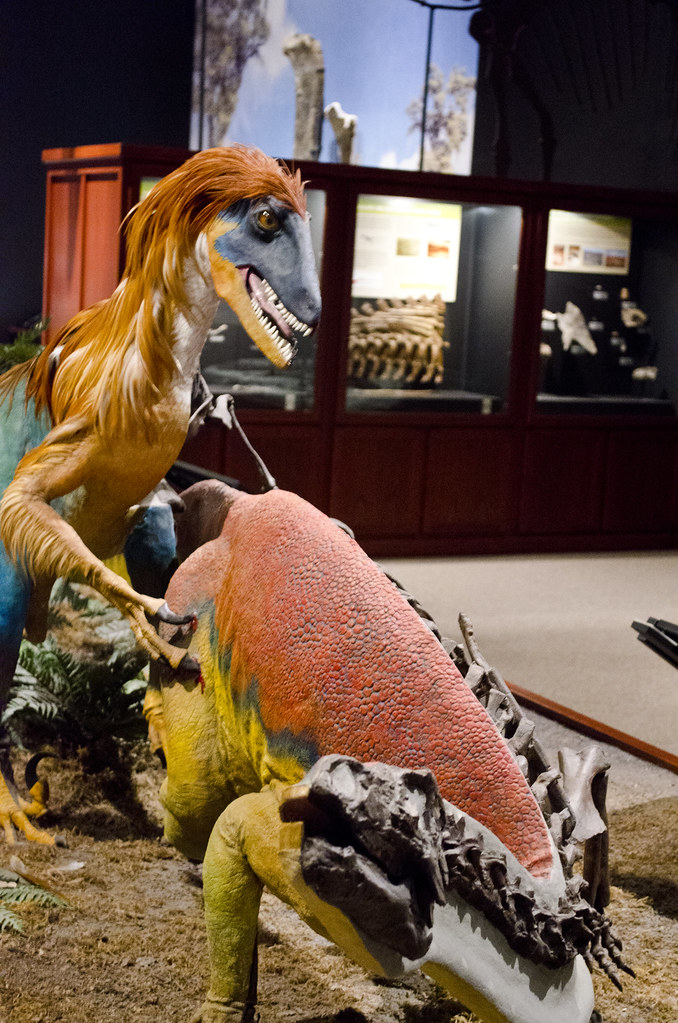
dinosaur blood fossils have been discovered for the first time, providing unprecedented insights into the biology of these ancient creatures.
What Are Dinosaur Blood Fossils?
Dinosaur blood fossils are a groundbreaking discovery that has captured the attention of scientists and the public alike. These remarkable fossils contain traces of ancient blood, providing invaluable insights into the biology and behavior of dinosaurs. The first confirmed discovery of dinosaur blood was made when researchers identified preserved cellular structures within fossilized remains, leading to a deeper understanding of these magnificent creatures.
Unlike traditional fossils, which often consist of bones or teeth, dinosaur blood fossils offer a glimpse into the soft tissues that were believed to have decayed long ago. This discovery raises several important questions about the preservation conditions and the environments in which these dinosaurs lived.
Key findings related to dinosaur blood fossils include:
- Identification of red blood cells and other cellular components.
- Insights into the dinosaurs’ physiology and health.
- Potential implications for understanding the evolution of warm-bloodedness in dinosaurs.
As researchers continue to study these ancient treasures, the implications for paleontology and our understanding of prehistoric life may be profound, shedding light on the mysteries of the dinosaur age.
The Significance of This Discovery
The recent discovery of dinosaur blood fossils marks a significant milestone in paleontological research. This finding opens new avenues for understanding the biology and behavior of these ancient creatures.
The implications of finding dinosaur blood fossils are profound. Scientists can now:
- Study ancient blood composition: Analyzing the blood can reveal insights into the health and physiology of dinosaurs.
- Understand evolutionary connections: This discovery aids in tracing the lineage of modern birds and reptiles back to their dinosaur ancestors.
- Enhance fossil dating methods: Blood remnants may help refine the dating of other fossils found in the same geological strata.
- Investigate disease and immunity: Researching the blood could illuminate how dinosaurs responded to diseases and environmental changes.
Moreover, the discovery challenges previous assumptions about fossil preservation. It suggests that organic materials can endure longer than previously believed, potentially revolutionizing how we view extinct species. As scientists continue to analyze these dinosaur blood fossils, we may uncover even more about the life and environment of these long-gone giants.
How Were Dinosaur Blood Fossils Found?
The discovery of dinosaur blood fossils marks a groundbreaking achievement in paleontology. Researchers stumbled upon these ancient remnants during a routine excavation in a remote area known for its rich fossil deposits. While examining a well-preserved specimen of a dinosaur bone, scientists noticed unusual dark spots that hinted at the presence of organic material.
Using advanced imaging techniques, they carefully analyzed the bone structure, which revealed a network of microstructures resembling blood vessels. This unexpected finding prompted further investigation, leading to the extraction and analysis of what appeared to be intact blood cells. To confirm their findings, the team employed various biochemical tests that demonstrated the presence of hemoglobin, the protein responsible for transporting oxygen in blood.
The meticulous process involved:
- Collecting samples from multiple sites to ensure reliability.
- Utilizing cutting-edge technology to avoid contamination.
- Collaborating with experts in molecular biology for detailed analysis.
This meticulous approach not only established the authenticity of the dinosaur blood fossils but also opened new avenues for understanding the biology and behavior of these ancient creatures.
Implications for Future Research
The discovery of dinosaur blood fossils opens up exciting avenues for future research in paleontology and evolutionary biology. These findings provide a unique opportunity to study the biology and behaviors of dinosaurs in greater detail.
Researchers can now explore several implications stemming from this groundbreaking discovery:
- Genetic Analysis: The preservation of blood components may allow scientists to extract ancient DNA, offering insights into the genetic makeup of dinosaurs.
- Evolutionary Insights: Understanding how blood and other biological materials evolved in dinosaurs can shed light on the evolutionary processes that shaped modern birds and reptiles.
- Environmental Adaptations: Analyzing the blood of dinosaurs could reveal how these creatures adapted to their environments, including temperature regulation and disease resistance.
- Fossilization Processes: The presence of blood in fossils can enhance our understanding of fossilization processes and the conditions required for the preservation of organic materials.
As scientists continue to investigate these dinosaur blood fossils, the implications for our understanding of prehistoric life are vast and promising, paving the way for new discoveries in the field.
By Tim Evanson via Openverse