
 Logan Lee
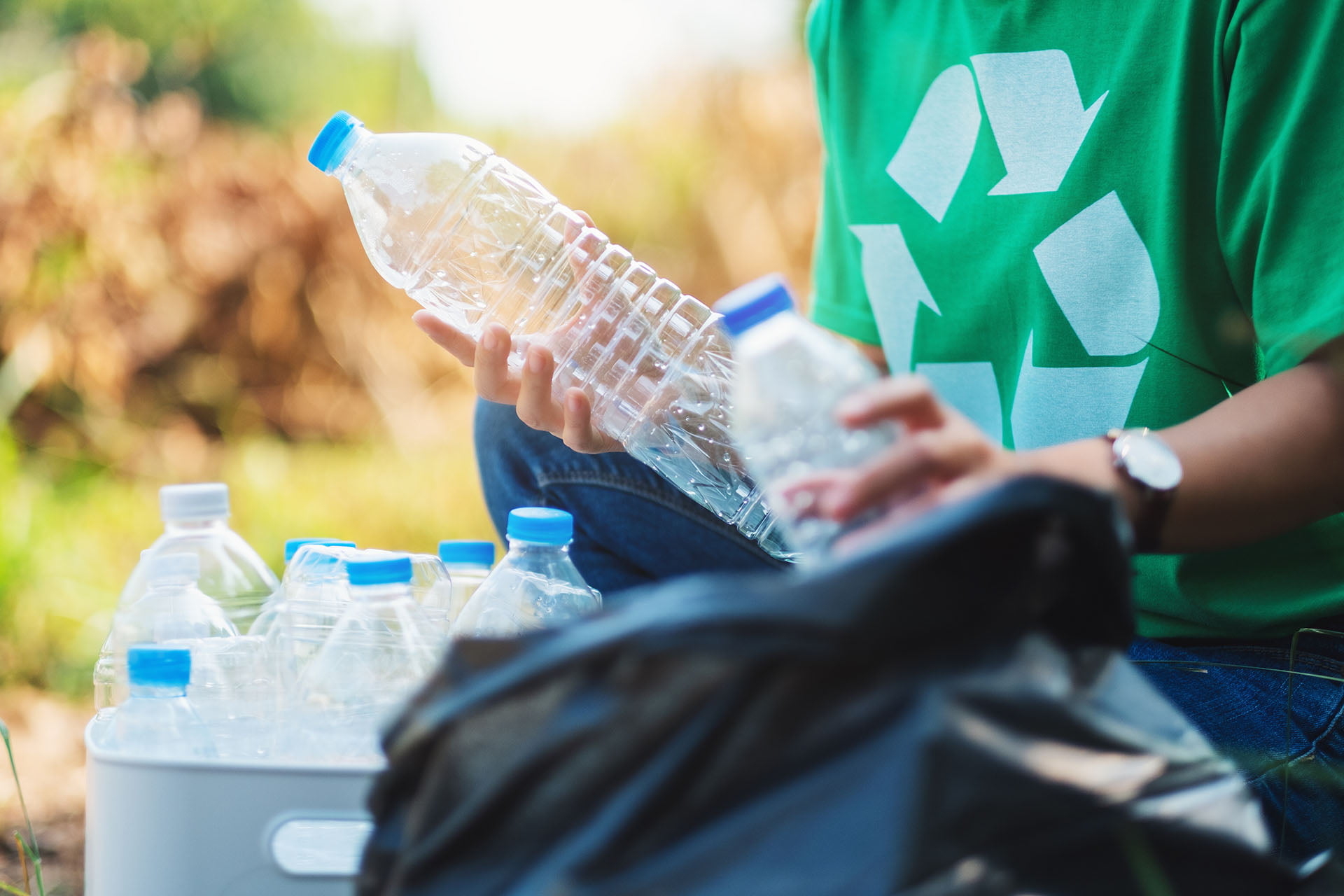
Recycling is no longer just a societal obligation; it has become a crucial component in achieving operational efficiency and sustainability. One of the most impactful ways to reduce costs and waste is through PET (polyethylene terephthalate) recycling practices. PET Recycling, commonly found in beverage bottles, food packaging, and other consumer goods, is highly recyclable and offers a wide range of benefits for businesses and the environment.
Many industries are rapidly adopting PET recycling, a trend fueled by increasing awareness about environmental issues and rising material costs. This growing practice of PET recycling not only promotes sustainability but also supports businesses in cutting operational costs and significantly minimizing waste.
Cost Efficiency Through Recycling
One of the top advantages of PET recycling for businesses is the opportunity to lower production costs. By recycling PET materials, companies can reduce the need for virgin plastics, which are more expensive and often require greater energy usage during production. Recycled PET, known as rPET, serves as a cost-effective and eco-friendly alternative.
rPET can be repurposed into a variety of products, including new bottles, containers, and textile fibers. The production of goods using recycled materials generally requires less energy, which translates to lower utility bills and operational expenditures. By adopting recycling programs, businesses contribute to the circular economy while also enhancing their bottom line.
Reducing Environmental Impact
PET recycling significantly reduces the harmful effects caused by plastic waste. When PET products are not recycled, they often end up in landfills or the ocean, where they can take hundreds of years to degrade. Recycling PET materials helps mitigate this issue by diverting waste from landfills and ensuring that these materials are reused effectively.
By reducing reliance on virgin plastics, PET recycling diminishes greenhouse gas emissions produced during traditional plastic manufacturing processes. Businesses that prioritize recycling are effectively contributing to cleaner air, decreased carbon footprints, and enhanced ecological balance.
Enhancing Brand Image
Consumers increasingly favor companies that demonstrate a commitment to sustainability. Businesses that implement PET recycling programs position themselves as environmentally responsible and forward-thinking entities. This sustainable approach not only attracts environmentally conscious customers but also builds long-term trust and loyalty.
Public campaigns or labeling that highlights the use of recycled materials can enhance customer perception further. Customers are more likely to support brands that align with their values, turning sustainability efforts into a competitive differentiator.
Boosting Supply Chain Resilience
PET recycling also plays a pivotal role in improving supply chain reliability and flexibility. Using locally sourced recycled PET helps businesses reduce reliance on international suppliers for raw materials. It can shield supply chains from fluctuations in raw material prices and global trade disruptions. Locally sourced materials also reduce transport emissions and offer logistical advantages.
This contributes to a stable production process with fewer delays, allowing companies to achieve more reliable timelines and enhance overall supply chain efficiency.
Meeting Regulatory Compliance
Governments and regulatory bodies worldwide are pushing for stricter recycling mandates and sustainable practices. By adopting PET recycling, businesses can stay ahead of evolving regulations and avoid penalties or fines associated with non-compliance.
Implementing effective recycling measures demonstrates a proactive and responsible approach to adhering to regulations. It also sets the stage for smoother audits and inspections, which can positively impact operational transparency and accountability.
PET recycling is more than an environmental initiative; it is a multifaceted tool that enables businesses to cut costs, reduce waste, and enhance operational efficiency. Companies that prioritize PET recycling are not only shaping a greener future but are also building stronger, more adaptable business strategies.


 Stephen Scott


