Stephen Scott
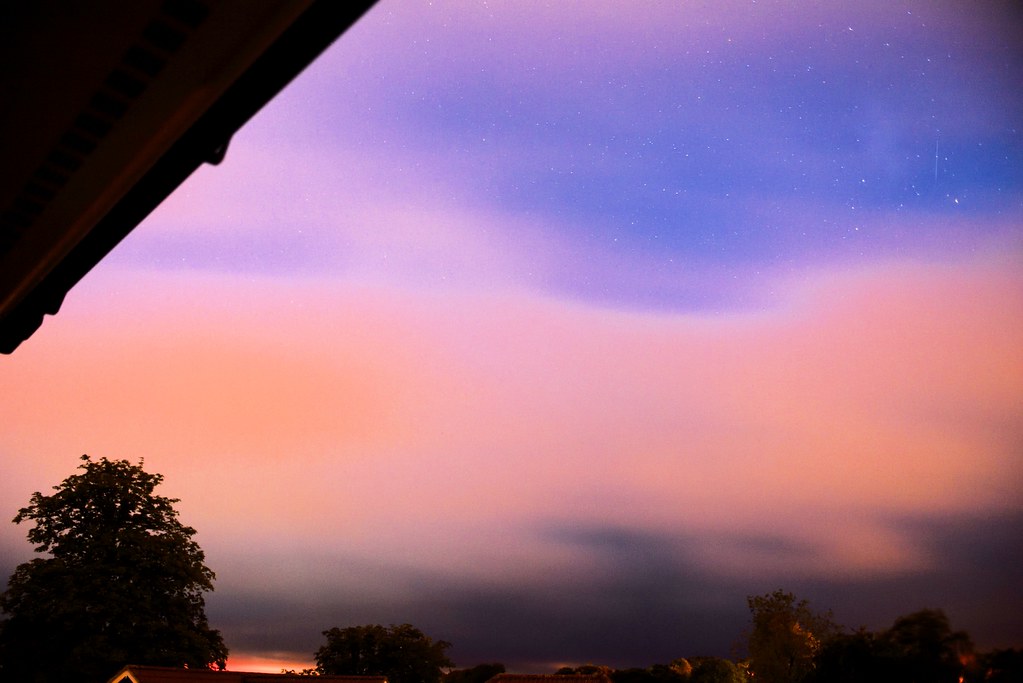
The best meteor shower is currently underway, captivating stargazers with its breathtaking displays. This annual event promises a celestial spectacle that should not be missed.
What to Expect During the Meteor Shower
As the night sky darkens, stargazers can look forward to one of the best meteor showers of the year. Each year, these celestial displays provide a breathtaking experience, drawing both amateur and seasoned astronomers alike.
During the meteor shower, observers can expect to see:
- Shooting Stars: Bright streaks of light that dart across the sky, often called “shooting stars.” These are actually meteoroids burning up in the Earth’s atmosphere.
- Peak Activity: The meteor shower typically has peak nights when the number of meteors per hour can reach breathtaking levels, sometimes exceeding 100.
- Radiant Point: Meteors appear to originate from a specific point in the sky, known as the radiant. Identifying this can enhance the viewing experience.
- Dark Skies: To fully appreciate this stunning celestial show, finding a location away from city lights is essential. Darker skies yield clearer views of the meteors.
- Weather Considerations: Clear skies are crucial for optimal viewing, so checking weather forecasts can help plan the best time to watch.
Mark your calendars and prepare for an unforgettable night under the stars.
How to View the Meteor Shower Safely
Viewing the best meteor shower can be an exhilarating experience, but it is essential to take precautions to ensure a safe and enjoyable night under the stars. Here are some tips on how to view the meteor shower safely:
- Choose a dark location: Find a spot away from city lights and pollution. National parks or rural areas are often ideal for stargazing.
- Dress appropriately: Temperatures can drop significantly at night, so wear layers and bring blankets or sleeping bags for comfort.
- Bring essentials: Consider packing snacks, water, and a flashlight with red lighting to help preserve your night vision.
- Limit distractions: Avoid using your phone or other bright screens while watching the meteor shower, as this can hinder your ability to see the meteors.
- Be patient: Meteor showers can be unpredictable, so give yourself plenty of time to enjoy the show. Allow your eyes to adjust to the darkness, which can take up to 30 minutes.
- Share the experience: Viewing the meteor shower with friends or family can enhance the experience. Share your excitement as you witness these celestial wonders together.
By following these tips, you can fully immerse yourself in one of the best meteor showers of the year safely and enjoyably.
Best Locations for Stargazing
For those eager to catch a glimpse of the best meteor shower, choosing the right location can make all the difference. Here are some top spots renowned for their stargazing potential:
- National Parks: Locations such as Yellowstone and Yosemite offer minimal light pollution and stunning natural backdrops, providing an ideal environment for meteor watching.
- Remote Areas: Consider heading to rural locations away from city lights. Places like the deserts of Arizona or the mountains of Colorado are perfect for clear skies.
- Beaches: Coastal areas can provide unobstructed views of the night sky. Look for beaches that are less populated and away from urban areas, such as the Outer Banks in North Carolina.
- High Altitude Locations: Elevation can enhance visibility. Sites like Mauna Kea in Hawaii or the Andes in South America offer breathtaking views and clearer air.
- Observatories: Some observatories host meteor shower events, providing telescope access and expert guidance on viewing the celestial show.
Regardless of where you choose to watch, ensure you arrive early to secure a good spot and allow your eyes to adjust to the dark. Remember, the best meteor shower can be enjoyed most fully in a tranquil and dark environment.
Understanding Meteor Showers
Meteor showers are stunning celestial events that occur when Earth passes through the debris left behind by comets or asteroids. These tiny particles, often no larger than a grain of sand, enter the Earth’s atmosphere at incredible speeds, causing them to burn up and create bright streaks of light across the night sky.
Understanding meteor showers requires recognizing the different types that occur throughout the year. The most popular meteor showers are:
- Perseid Meteor Shower: Typically peaks in August, known for its bright meteors and warm summer nights.
- Geminid Meteor Shower: Occurs in December and is celebrated for producing a high volume of visible meteors.
- Quadrantid Meteor Shower: Peaks in early January, offering a brief but intense display of meteors.
- Leonids: Known for their historical storms and bright meteors, usually peaks in November.
Each meteor shower has its own unique characteristics, making them fascinating to observe and study. The best meteor shower experiences often occur when conditions are optimal, such as clear skies and minimal light pollution. Consequently, planning ahead can enhance your enjoyment of these spectacular celestial shows.
Tips for Capturing Meteor Photos
Capturing the beauty of the best meteor shower can be a rewarding experience for both amateur and professional photographers. Here are some essential tips to help you get stunning meteor photos during the celestial event.
- Choose the Right Location: Find a dark spot away from city lights to reduce light pollution. A clear horizon and minimal obstructions will enhance your chances of capturing meteors.
- Use a Tripod: A stable base is crucial for long-exposure shots. Ensure your camera is securely mounted on a tripod to avoid any blurriness.
- Set Your Camera Settings: Use a wide aperture (f/2.8 or lower) to let in more light. Set a high ISO (1600-3200) and a long exposure time (between 10 to 30 seconds) to capture the trails of the meteors.
- Focus Manually: Autofocus may struggle in low light. Manually set your focus to infinity for sharper images.
- Be Patient: Meteor showers can be unpredictable. Stay patient and remain alert, as you may need to take multiple shots to capture the perfect moment.
By following these tips, you can enhance your chances of creating memorable photographs of the best meteor shower.
When is the Peak Viewing Time?
The best meteor shower of the year often peaks during specific times, providing the most breathtaking views for stargazers and astronomy enthusiasts alike. To make the most of this celestial spectacle, it is essential to know when to look up at the night sky.
Typically, meteor showers occur annually, with the most prominent ones being the Perseids in August and the Geminids in December. The peak viewing time for these events usually falls during the late hours of the night and into the early morning. Observers can expect to see the highest number of meteors shortly after midnight when the radiant point of the shower is highest in the sky.
For the best experience, consider the following:
- Check the lunar phase: A dark sky is ideal, so try to plan your observation during a new moon or when the moon is less bright.
- Find a dark location: Light pollution can hinder visibility, so seek out areas away from city lights.
- Be patient: It may take time for your eyes to adjust to the dark, so settle in and allow yourself ample time to enjoy the show.
With the right timing and conditions, witnessing the best meteor shower can be an unforgettable experience.
The Science Behind Meteor Showers
Meteor showers occur when Earth passes through the debris left behind by comets and asteroids. As these small particles enter the atmosphere at high speeds, they create bright streaks of light, known as meteors or “shooting stars.” The best meteor shower events happen when Earth crosses a dense trail of debris, leading to a spectacular display.
There are several key factors that contribute to the intensity and visibility of meteor showers:
- Radiant Point: Each meteor shower has a specific radiant point in the sky from which the meteors appear to originate. This location is tied to the parent comet or asteroid.
- Peak Activity: Most meteor showers have a peak period when the number of visible meteors dramatically increases. Observers often recommend planning to view during this time for the best experience.
- Moon Phase: The brightness of the moon can significantly affect visibility. A dark sky enhances the experience, allowing fainter meteors to be seen.
- Atmospheric Conditions: Clear skies free of light pollution provide the best viewing conditions, allowing enthusiasts to witness the full splendor of the best meteor shower.
Understanding these elements can enhance your appreciation of this stunning celestial show.
To fully appreciate the best meteor shower, find a dark location away from city lights where the sky is clear. Planning your viewing around the peak nights will enhance your chances of witnessing the best meteor shower in all its glory.
By tsbl2000 via Openverse
Read the original
Related reading
Open-source AI model: Reflection AI’s Proven Beam Launch · Steve Jobs anniversary: A Clear Celebration of His Legacy · Climate threat Antarctica: Real concerns about hidden dangers