Stephen Scott
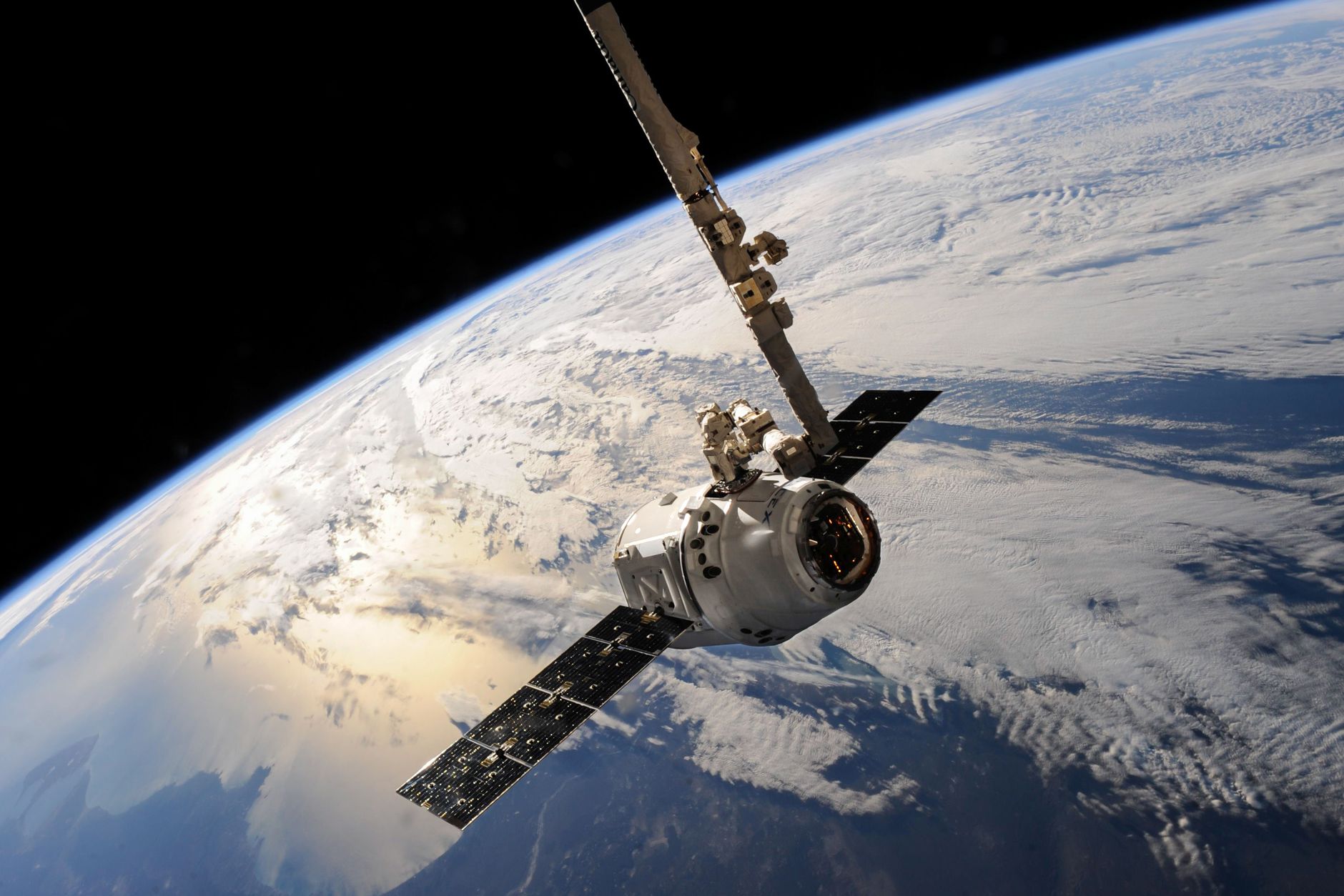
Starlink orbital near-misses are a pressing issue in space. With the rise of satellite constellations, the potential for collisions increases, prompting innovative solutions like ephemeris sharing.
What are orbital near-misses?
Orbital near-misses refer to instances when satellites come alarmingly close to colliding in space, posing significant risks to their operational integrity and safety. As the number of satellites in low Earth orbit continues to rise, these close encounters have become more frequent. Starlink, a satellite constellation project by SpaceX, has encountered its share of these orbital near-misses, which raises concerns about space debris and the sustainability of satellite operations.
To mitigate these risks, companies are exploring various solutions, including:
- Ephemeris sharing: This involves sharing precise satellite location data among operators to enhance collision avoidance.
- Automated tracking systems: These systems can help predict potential collisions and initiate maneuvers to avoid them.
- International cooperation: A collaborative approach can lead to improved guidelines and regulations to ensure safer orbits.
How does ephemeris sharing work?
Ephemeris sharing is a technique designed to enhance the safety of satellites in orbit, particularly in the context of Starlink orbital near-misses. This process involves the exchange of precise positional data between satellite operators, allowing them to predict potential collisions more accurately.
In practice, ephemeris data consists of detailed information regarding a satellite’s trajectory, including its current location and future path. By sharing this information, operators can:
- Improve situational awareness: Operators gain insight into the movements of nearby satellites.
- Enhance collision avoidance: Timely updates help in making informed decisions to alter trajectories if necessary.
- Facilitate coordination: Collaboration among various satellite operators can lead to safer orbital environments.
This cooperative approach aims to minimize the risk of Starlink orbital near-misses and ensure a more sustainable use of space.
The importance of satellite safety
As satellite constellations grow in number, the importance of satellite safety has never been more critical. With the rise of Starlink and other mega-constellations, the frequency of orbital near-misses has increased, raising concerns among space agencies and astronomers alike. These incidents can lead to potential collisions, which not only jeopardize individual satellites but also contribute to the growing issue of space debris.
Ensuring the safety of satellites in orbit requires a collaborative approach. Effective communication and data sharing among satellite operators are essential to minimize risks. One proposed solution is ephemeris sharing, allowing operators to exchange real-time positional data. This proactive strategy aims to significantly reduce the likelihood of Starlink orbital near-misses and enhance overall safety in the increasingly crowded space environment.
In an era where space traffic management is paramount, prioritizing satellite safety is crucial for sustainable space exploration.
Starlink’s role in space traffic management
As the number of satellites in low Earth orbit continues to rise, Starlink has stepped up its role in space traffic management. The initiative aims to mitigate risks associated with Starlink orbital near-misses by implementing advanced systems for monitoring and communication.
One key aspect of this approach is the sharing of ephemeris data, which allows satellites to predict their trajectories accurately. This information is critical for operators to make real-time adjustments, ensuring safer passage through crowded orbits.
Moreover, Starlink’s commitment to transparency means that other satellite operators can access vital data, fostering a collaborative environment for space safety. By leveraging technology and cooperation, Starlink is positioning itself as a leader in the ongoing effort to manage the complexities of space traffic, ultimately aiming to reduce the occurrence of orbital near-misses.
Future of satellite constellations
The future of satellite constellations, including systems like Starlink, hinges on effective strategies to mitigate risks associated with orbital near-misses. As the number of satellites in low Earth orbit continues to grow, the potential for collisions increases, raising concerns about space traffic management.
Companies and regulatory bodies are now focusing on several key initiatives to enhance safety:
- Improved tracking technologies: Innovations in tracking can provide real-time data on satellite positions.
- Collaborative efforts: Sharing information between satellite operators is crucial to avoiding potential conflicts.
- Regulatory frameworks: Developing policies to govern satellite launches and operations can help minimize risks.
Ultimately, the success of satellite constellations like Starlink will depend on proactive measures to address orbital near-misses and ensure the sustainability of space activities.
As the debate continues, experts are analyzing the implications of Starlink orbital near-misses on satellite safety and space traffic management. Some argue that these incidents highlight the urgent need for improved regulations to address the challenges posed by Starlink orbital near-misses.
Photo by SpaceX on Pexels