Stephen Scott
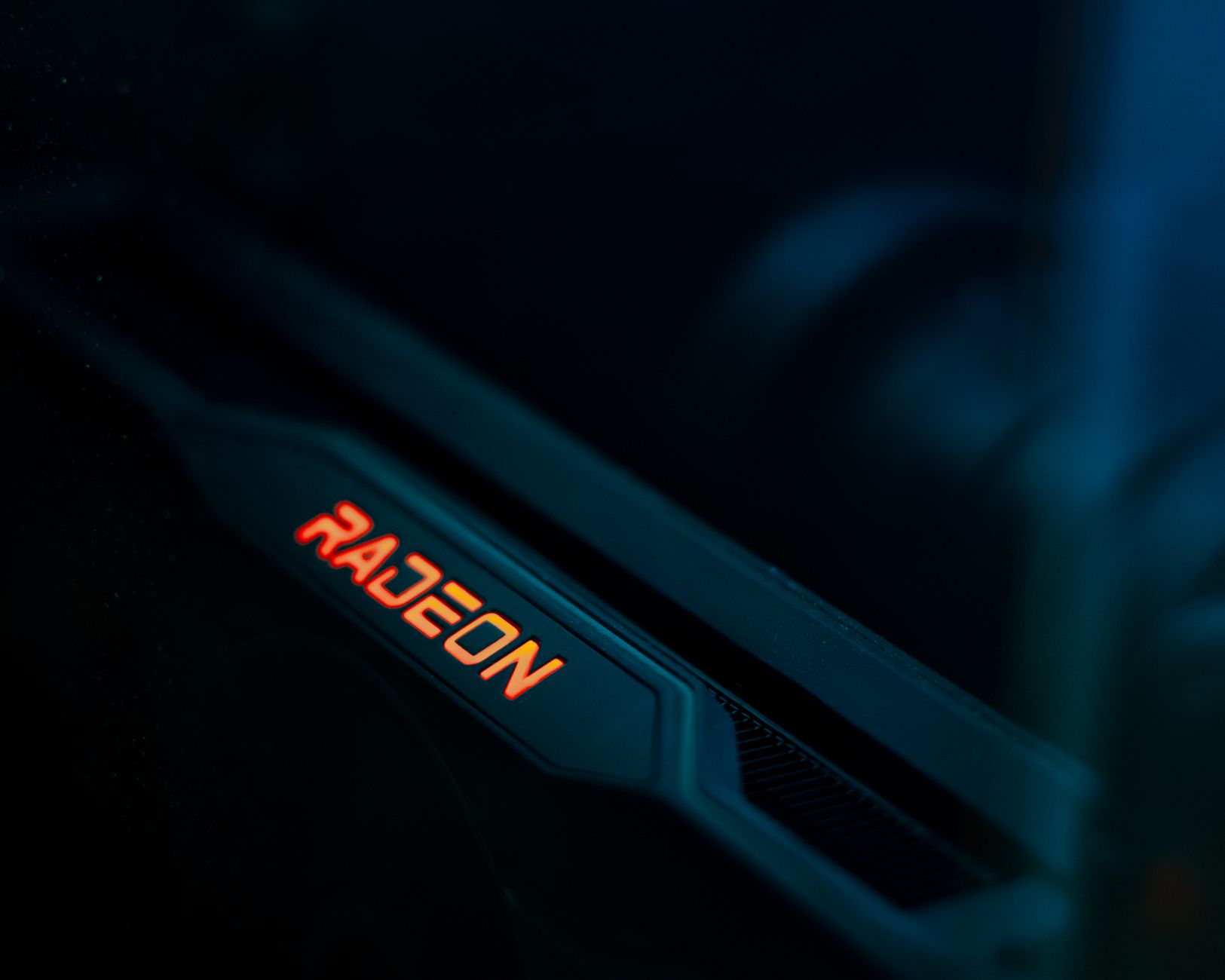
AMD flagship GPU has recently shown impressive gains, with OpenAI announcing an increase of up to 14%. This development has sparked interest among tech enthusiasts and investors alike.
What Are the Latest Gains on AMD’s GPU?
Recent announcements from OpenAI highlight significant advancements in AMD’s flagship GPU, showcasing performance improvements that have caught the attention of gamers and tech enthusiasts alike. According to the latest reports, users can expect gains of up to 14% in performance when utilizing the latest drivers and software optimizations.
This performance leap raises several questions among consumers regarding the value of upgrading to AMD’s flagship GPU. Here are some key points to consider:
- Enhanced Gaming Experience: The improved performance allows for smoother frame rates and higher resolutions, providing an overall better gaming experience.
- Software Optimization: The gains are largely attributed to recent software updates that optimize the GPU’s capabilities, ensuring that users are getting the most out of their hardware.
- Future-Proofing: Investing in AMD’s flagship GPU now may offer long-term benefits as game developers increasingly optimize titles for the latest hardware.
- Value Proposition: With the proven gains, AMD’s flagship GPU presents a compelling value for those looking to build or upgrade their gaming rigs.
As players weigh their options, the 14% performance improvement certainly makes AMD’s flagship GPU a noteworthy contender in the competitive landscape of graphics technology.
How OpenAI Influences GPU Performance
The influence of OpenAI on GPU performance is becoming increasingly evident, particularly with the recent announcements regarding AMD’s flagship GPU. As machine learning and artificial intelligence continue to evolve, the demand for high-performance computing solutions has surged. OpenAI’s advancements in AI algorithms are designed to leverage the capabilities of these powerful graphics processing units.
One of the standout features of the latest AMD flagship GPU is its compatibility with AI-driven applications. This compatibility allows developers to harness the full potential of machine learning models, leading to significant performance gains. The 14% improvement highlighted by OpenAI is a testament to how optimized software can enhance hardware performance.
Moreover, the collaboration between AI research and GPU technology is fostering innovation in various industries. The benefits of this synergy include:
- Enhanced computational efficiency: AI algorithms are becoming more effective at utilizing the GPU’s resources.
- Reduced latency: Faster processing times are crucial for real-time applications.
- Scalability: Improved performance enables more complex models to run on a single GPU.
In conclusion, as OpenAI continues to push the boundaries of what’s possible with AI, AMD’s flagship GPU stands to benefit significantly, making it a compelling choice for enthusiasts and professionals alike.
Comparing AMD Flagship GPU to Competitors
As the competition in the GPU market heats up, many enthusiasts are eager to see how the AMD flagship GPU stacks up against its competitors. With recent announcements from OpenAI highlighting performance gains of up to 14%, consumers are left to ponder whether these improvements are sufficient to sway their purchasing decisions.
When comparing the AMD flagship GPU to offerings from NVIDIA and Intel, several factors come into play:
- Performance: The AMD flagship GPU shows promising advancements in computational power, especially in AI-driven applications.
- Price: AMD has traditionally offered competitive pricing, making their flagship GPU an attractive option for budget-conscious gamers and professionals alike.
- Power Efficiency: Recent developments indicate that the AMD flagship GPU may provide better power efficiency, which is crucial for maintaining performance without excessive energy consumption.
- Software Optimization: With AMD’s continued efforts to improve software drivers, users can expect better performance in various applications compared to previous generations.
Ultimately, potential buyers must weigh these factors carefully. While the 14% performance gain is significant, the decision will depend on individual needs and how the AMD flagship GPU aligns with them in a competitive landscape.
The Impact of AI on GPU Technology
The rapid advancements in artificial intelligence (AI) are reshaping the landscape of GPU technology, significantly influencing performance metrics. As AI applications become more prevalent, the demand for powerful graphical processing units has surged, leading companies to innovate at an unprecedented pace. The AMD flagship GPU has emerged as a contender in this evolving market, showcasing remarkable enhancements driven by AI capabilities.
AI algorithms require extensive computing power, prompting AMD to optimize its flagship GPU architecture to meet these demands. By leveraging AI, AMD has been able to achieve up to 14% gains in performance, as announced by OpenAI. This improvement not only enhances gaming experiences but also boosts productivity in creative fields such as video editing and 3D rendering.
Moreover, the integration of AI into GPU technology allows for smarter resource management and real-time adjustments to performance settings. This results in more efficient energy consumption and heat management, leading to longer-lasting hardware. As developers increasingly adopt AI-driven solutions, the AMD flagship GPU stands to benefit from ongoing optimizations, making it a compelling choice for both gamers and professionals alike.
In conclusion, the impact of AI on GPU technology is profound, and AMD’s flagship GPU is well-positioned to capitalize on these trends, offering substantial gains in performance and efficiency.
User Reactions to AMD’s Performance Boost
User reactions to the recent announcement regarding AMD’s flagship GPU have been overwhelmingly positive, with many enthusiasts expressing excitement about the proven 14% performance gains. These enhancements come at a time when competition in the GPU market is fierce, and users are eager to see how AMD stacks up against its rivals.
Several gamers took to online forums to share their experiences and expectations:
- AlexRider88 stated, “I’ve been waiting for an upgrade, and the improvements on AMD’s flagship GPU make it hard to resist. A 14% boost could make a significant difference in gameplay.”
- TechGuru99 commented, “With AI influencing GPU technology, I’m curious how these gains will affect real-world performance in demanding applications.”
- PixelPioneer noted, “I’ve always been an AMD fan, and seeing this kind of leap makes me confident in sticking with the brand for my next build.”
However, not all feedback has been entirely positive. Some users are cautious, questioning whether the 14% gains justify the investment needed for upgrading to the latest AMD flagship GPU. “I need more than just numbers,” said a user on Reddit. “Real-world benchmarks are what matter most.”
Future Trends in GPU Development
The landscape of GPU development is rapidly evolving, with several trends influencing the future of powerful graphics technologies. As competition intensifies among manufacturers, the AMD flagship GPU is poised to adapt to the shifting demands of both gamers and professionals.
One significant trend is the increasing integration of AI capabilities into GPUs. The recent advancements seen in AMD’s flagship GPU highlight how AI can enhance performance and efficiency. This integration is expected to become standard across all high-end graphics cards, leading to improved rendering times and smarter resource management.
Additionally, there is a growing emphasis on sustainability in GPU manufacturing. Companies, including AMD, are exploring eco-friendly materials and energy-efficient designs, which may appeal to environmentally-conscious consumers. This shift could also help reduce operating costs for businesses that rely heavily on GPU-intensive tasks.
Moreover, the rise of virtual reality (VR) and augmented reality (AR) applications is driving demand for even more powerful graphics solutions. As these technologies become mainstream, AMD’s flagship GPU will likely evolve to meet the higher performance standards required by these immersive experiences.
In conclusion, the future of GPU development is set to be shaped by AI integration, sustainability, and the growing VR/AR market, positioning AMD as a strong player in this dynamic industry.
The recent benchmarks indicate that the AMD flagship GPU not only delivers impressive performance but also offers a competitive edge over its rivals. As gamers and professionals weigh their options, the question remains: is the AMD flagship GPU worth the proven 14% gains it promises?
Photo by Nikolaos Kofidis on Pexels
Sources
NASA Asteroid Impact: Discover the Strange Findings Revealed · Grand Theft Auto staff sacked: The Wrong Tactic Exposed · Google Gemini update: Best AI Voices with Regional Flair