Stephen Scott
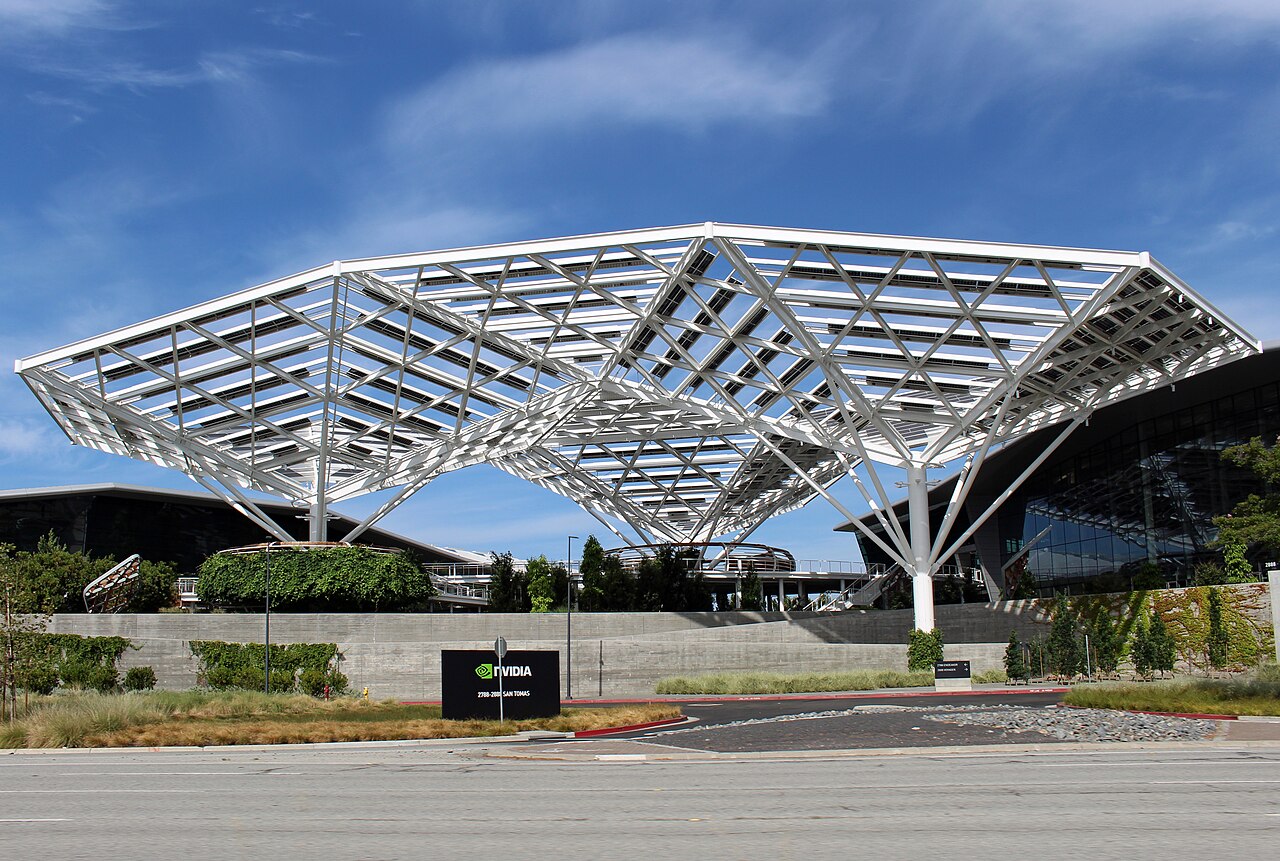
Nvidia GeForce cards are in high demand, but the company faces significant challenges in increasing production. This article explores the reasons behind this complex situation.
Understanding the Demand for Nvidia GeForce Cards
The demand for Nvidia GeForce cards has surged dramatically in recent years, driven by multiple factors that complicate production efforts.
- Gaming Boom: The rise of online gaming and esports has led to an increased desire for high-performance graphics cards. Gamers are constantly seeking the latest technology to enhance their gaming experience.
- Cryptocurrency Mining: The popularity of cryptocurrencies has created an additional layer of demand, as miners require powerful GPUs for their operations. This has further strained the availability of GeForce cards.
- AI and Machine Learning: Nvidia GeForce cards are increasingly being adopted in AI research and development. The ability to perform complex calculations quickly makes these cards essential for many tech companies.
- Supply Chain Issues: Global supply chain disruptions have made it difficult for manufacturers to keep pace with the rising demand. Factors such as semiconductor shortages and logistic challenges continue to hinder production.
These elements combined make it clear that the demand for Nvidia GeForce cards is not merely a passing trend, but a significant driver of market dynamics that requires careful management and strategic planning from Nvidia.
Challenges in Graphics Card Production
The production of Nvidia GeForce cards faces several significant challenges that complicate the manufacturing process. These challenges stem from various factors, including supply chain disruptions, component shortages, and manufacturing capacity limitations.
One of the primary issues is the ongoing semiconductor shortage, which has affected numerous industries globally. The demand for chips has surged, but the production capacity has not kept pace, leading to delays and increased costs for manufacturers.
Additionally, the complexity of the technology involved in creating Nvidia GeForce cards means that even small disruptions in the supply chain can have a cascading effect on production schedules. Key components, such as graphics processing units (GPUs) and memory chips, are essential for the performance of these cards.
Furthermore, the rapid innovation cycle in the graphics card market requires manufacturers to stay ahead of trends, which can strain resources. As a result, companies must balance the immediate demand for Nvidia GeForce cards with the need for long-term planning and investment in production capabilities.
In conclusion, the interplay of these factors creates a challenging environment for Nvidia and its partners in the production of GeForce cards.
The Impact of Semiconductor Shortages
The ongoing semiconductor shortages have created significant obstacles for the production of Nvidia GeForce cards. These shortages affect not only Nvidia but the entire electronics industry, causing delays and increased costs across the board.
Manufacturers rely on a complex supply chain that includes various components, each dependent on semiconductors. The unavailability of these crucial parts leads to a bottleneck in production, hampering the ability to meet consumer demand. As a result, many potential buyers are left frustrated and unable to purchase the graphics cards they desire.
- Supply chain disruptions: Factors such as natural disasters, geopolitical tensions, and the pandemic have severely impacted chip production.
- Increased competition: Demand from other sectors, including automotive and consumer electronics, has intensified the competition for limited semiconductor resources.
- Production constraints: Even when chips are available, the manufacturing process for Nvidia GeForce cards is intricate, requiring specialized facilities and skilled labor.
These factors combine to create a challenging environment for Nvidia, making it difficult to simply ramp up production and satisfy the high demand for its graphics cards.
Nvidia’s Supply Chain Issues
Nvidia’s supply chain issues have significantly affected the production of its GeForce cards. These challenges arise from a combination of factors that complicate the manufacturing process.
- Raw Material Shortages: The availability of essential materials for semiconductor production, such as silicon and rare earth metals, has been inconsistent, leading to delays.
- Logistical Constraints: Transportation disruptions, exacerbated by global events, have hindered the timely delivery of components to manufacturing facilities.
- Manufacturing Capacity: The current capacity of fabrication plants is not sufficient to meet the soaring demand for Nvidia GeForce cards, resulting in backlogged orders.
- Geopolitical Factors: Trade tensions and tariffs have further complicated the sourcing of components, impacting overall production efficiency.
As a result, even with a strong desire to increase output, Nvidia faces significant barriers that prevent a simple ramp-up of GeForce card production. The interplay of these supply chain factors creates a complex web that the company must navigate to fulfill market demands successfully.
Market Trends Affecting GeForce Availability
The landscape of the graphics card market is continually evolving, with several trends impacting the availability of Nvidia GeForce cards. One significant trend is the increasing demand for high-performance gaming and professional applications, which has surged due to the rise of esports and remote work.
As more users seek advanced graphics capabilities, the pressure on manufacturers to supply Nvidia GeForce cards intensifies. This demand is not merely a reflection of consumer interest; it is also fueled by the growing popularity of virtual reality and augmented reality technologies.
Moreover, the rise of cryptocurrency mining has introduced additional complexities. Miners often seek powerful graphics cards, leading to shortages in the gaming market. Consequently, this dual demand creates a competitive environment that complicates the production and distribution of Nvidia GeForce cards.
Another factor is the global economic climate. Fluctuating tariffs and trade policies can disrupt supply chains, making it harder for manufacturers to acquire the necessary components. As these market trends continue to evolve, the challenges surrounding the availability of Nvidia GeForce cards are likely to persist.
Future of Nvidia’s Graphics Cards
The future of Nvidia’s graphics cards appears to be a challenging yet promising landscape. As demand for Nvidia GeForce cards continues to rise, the company faces intricate hurdles in scaling production to meet this demand. Industry analysts predict that advancements in manufacturing processes and technology will play a crucial role in shaping the future of these graphics cards.
One of the most significant factors influencing production is the ongoing innovation in GPU architecture. As Nvidia seeks to push the boundaries of performance and efficiency, the complexity of designing new models increases. This necessitates a delicate balance between introducing cutting-edge features and maintaining production capabilities.
Moreover, partnerships with semiconductor manufacturers are critical to ensure that Nvidia can secure the necessary components for its graphics cards. Increased collaboration may lead to more streamlined production processes, but challenges such as fluctuating market demands and geopolitical tensions could complicate these relationships.
Ultimately, the future of Nvidia’s graphics cards will hinge on its ability to adapt to a rapidly evolving market. Staying ahead of technological trends and addressing production challenges will be essential for meeting consumer expectations and sustaining growth.
Consumer Reactions to Supply Limitations
The ongoing supply limitations of Nvidia GeForce cards have sparked a mix of frustration and curiosity among consumers. Many gamers and professionals who rely on these graphics cards for enhanced performance are feeling the impact of restricted availability.
Recent surveys indicate that a significant portion of consumers are expressing their dissatisfaction:
- Price Increases: Many have noticed inflated prices on the secondary market, leading to concerns that they may never purchase a GeForce card at its original price.
- Waiting Periods: Consumers report extended waiting times for restocks, with some stating they have been waiting for months to secure a unit.
- Brand Loyalty: Despite the challenges, some users remain loyal to Nvidia, emphasizing the quality and performance that GeForce cards provide.
- Alternative Solutions: Others are exploring different brands or older models, leading to a shift in market dynamics.
As the demand for high-performance gaming continues to grow, the complexities surrounding the supply of Nvidia GeForce cards remain a critical topic within the gaming community.
via Wikimedia Commons
Where this came from
ChatGPT Wallet Launch: The Best Smart Payment Solution · Google Gemini 4 Hydrogen: Best Proven AI Model Upgrade · Radeon SSD write bug: Proven fix in AMD Adrenalin Driver