Stephen Scott
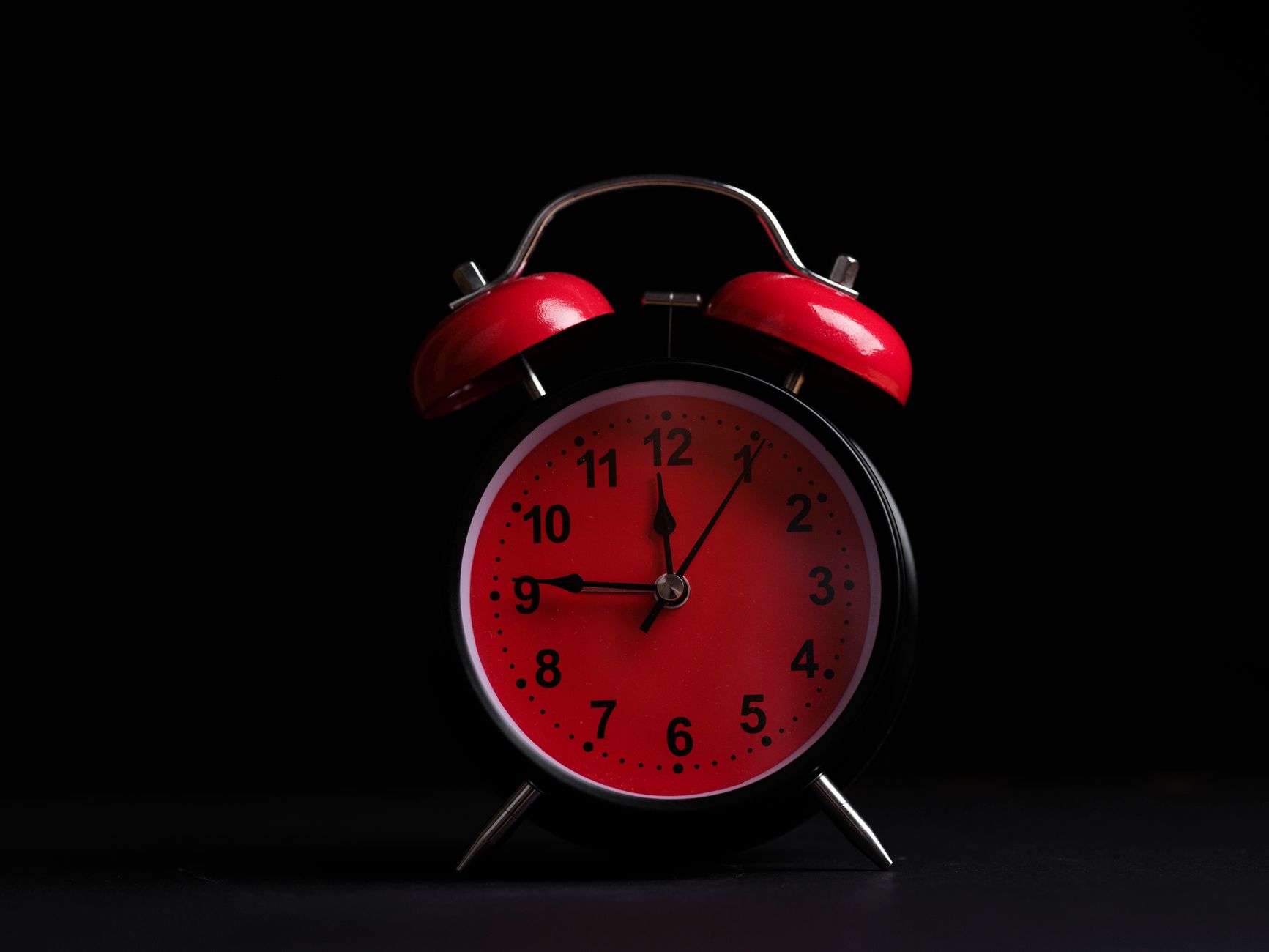
Changing way we tell time is a topic gaining attention as advancements in technology and science reshape our understanding of timekeeping.
How the Changing Way We Tell Time Affects Daily Life
The changing way we tell time has significant implications for daily life, influencing everything from work schedules to social interactions. As society evolves, so do our perceptions of time, leading to a shift in how we structure our days.
One major impact is seen in the workplace. With more companies adopting flexible hours, traditional 9-to-5 schedules are becoming less common. This change allows employees to work when they feel most productive, ultimately increasing job satisfaction and efficiency.
Additionally, the rise of remote work has blurred the lines between professional and personal time. People often find themselves juggling family responsibilities and work tasks simultaneously, leading to a reevaluation of how we measure time.
Moreover, technology plays a crucial role in this transformation. With smartphones and smartwatches at our fingertips, the way we track and organize time has become more immediate and accessible. Notifications and reminders help us stay on schedule but can also contribute to a sense of being constantly “on.”
Finally, the cultural aspects of timekeeping are shifting as well. More individuals are prioritizing experiences over rigid time constraints, fostering a growing appreciation for mindfulness and presence in daily life.
- Impact on work schedules
- Blurring of personal and professional time
- Role of technology
- Cultural shifts towards mindfulness
The Science Behind Timekeeping Innovations
The science behind timekeeping innovations is rapidly evolving, reflecting the changing way we tell time in our modern society. Traditional methods, once governed by the sun’s position and mechanical clocks, are now being complemented by advanced technologies that challenge our perception of time.
At the heart of these innovations are several key developments:
- Atomic Clocks: Utilizing the vibrations of atoms to maintain precise time, atomic clocks have revolutionized our understanding of time accuracy.
- GPS Technology: Global Positioning Systems rely on synchronized atomic clocks to provide location and time data, showcasing a practical application of advanced timekeeping.
- Smart Devices: With the integration of timekeeping into smartphones and smartwatches, the way we interact with time has become more intuitive and flexible.
- Biological Clocks: Research into circadian rhythms is helping us understand how our bodies perceive time, influencing everything from sleep patterns to productivity.
As we embrace these advancements, the changing way we tell time prompts us to reconsider not only how we keep track of hours and minutes but also the societal implications of these shifts. The future promises a fascinating blend of science and personal experience in our daily timekeeping practices.
Changing Way We Tell Time: What You Need to Know
The changing way we tell time is reshaping our understanding of how we organize our lives. As technology evolves, so do the methods we use to measure and perceive time. Here are some key points to consider:
- Historical Context: Timekeeping has transformed significantly from sundials and water clocks to modern atomic clocks. Understanding this progression helps us appreciate the innovations that lie ahead.
- Technological Advances: With the rise of smart devices, the accuracy of timekeeping is at an all-time high. These devices not only keep time but also integrate seamlessly with our daily routines.
- Social Implications: As we adapt to these changes, our social structures may also shift. Concepts like “flexible time” are being explored, allowing for more personalized schedules.
- Future Predictions: Experts suggest that as our understanding of time evolves, so might our methods of measurement. The changing way we tell time could lead to more holistic approaches, incorporating biological rhythms and environmental factors.
In conclusion, as we move forward, the ways we perceive and communicate time will continue to evolve, influencing our lives in profound ways.
Future Predictions for Time Measurement
As technology continues to evolve, experts predict that the changing way we tell time will take on new dimensions. Innovations in quantum computing and atomic clocks are anticipated to redefine precision, leading to a more accurate understanding of time that could impact various sectors.
One forecast suggests that we may move away from traditional time zones, embracing a more fluid approach that aligns with our globalized world. This could mean a shift towards universal timekeeping, where schedules are adjusted according to real-time data rather than fixed hours.
Additionally, advancements in wearable technology may influence how individuals perceive time on a personal level. With devices that can monitor and optimize our daily routines, the subjective experience of time could become more personalized, allowing people to manage their lives more efficiently.
Experts also believe that the integration of artificial intelligence will play a crucial role in the changing way we tell time. AI could assist in creating customized schedules based on individual productivity patterns, making time management more intuitive.
Overall, as we look to the future, the methods by which we measure and perceive time are likely to undergo significant transformations, reflecting the needs and lifestyles of an ever-evolving society.
Photo by Engin Akyurt on Pexels