
 Stephen Scott
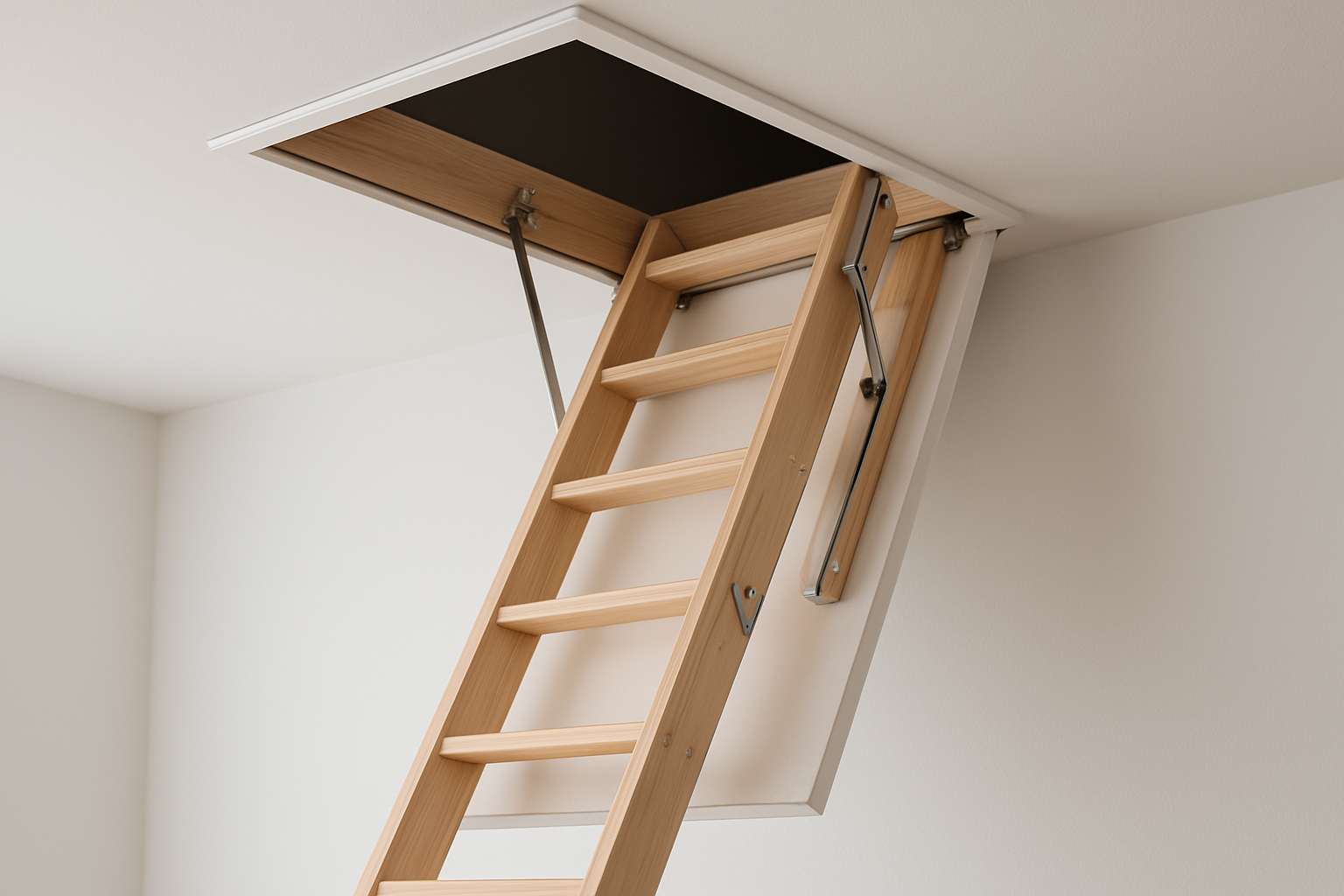
Why Should Homeowners Assess Loft Ladder Risks?
A loft ladder provides useful access to seasonal belongings, household equipment, and storage areas, but climbing introduces potential hazards. Before choosing loft ladders, homeowners should consider the condition of the supporting structure, the ladder’s load rating, the available headroom, and the risks associated with moving items. A basic risk assessment helps identify foreseeable problems before installation or use and provides a practical framework for maintaining safer access.
What Hazards Should Be Identified First?
The initial assessment should cover the ladder, loft opening, landing area, and surrounding structure. Look for unstable flooring, inadequate lighting, obstructions, damaged components, and insufficient clearance.
Consider who will use the ladder and whether children, older adults, or people with mobility limitations may need access. The assessment should reflect actual household circumstances rather than assuming that every user has the same balance, strength, or climbing ability.
How Can Overloading Be Prevented?
Check the manufacturer’s maximum load rating and make sure users understand what it means. The total load must include the person and anything carried, in accordance with the product’s instructions.
Avoid carrying heavy boxes while climbing because they can obstruct the user’s view and interfere with handholds. Where necessary, use a suitable alternative method to raise items after reaching a safe position. Storage should also respect the loft floor’s permitted loading capacity.
What Role Does Lighting Play in Risk Reduction?
Poor lighting can make it difficult to identify individual treads, locate handholds, and see obstacles around the opening. Install suitable illumination near the access point and provide adequate visibility in the loft landing area.
Switches should be conveniently positioned so that users do not need to climb in darkness to operate them. Portable lights may offer temporary assistance, but they should not create trailing cables or other trip hazards.
How Can Children and Visitors Be Protected?
Children should not be allowed to play with folding mechanisms or use the ladder without appropriate supervision. Keep access controlled where necessary and explain the basic hazards to household members.
Visitors or contractors should be informed about unusual access arrangements and any restrictions affecting the ladder. A damaged or unreliable ladder should not be made available simply because someone needs to retrieve an item.
What Should Happen When a Defect Is Found?
Stop using the ladder if its frame moves, a hinge appears damaged, a lock fails to engage, or a structural component shows signs of failure. Where appropriate, prevent others from using it until the problem has been resolved.
Follow the manufacturer’s guidance for maintenance and approved repairs. Do not attempt makeshift fixes that could weaken the assembly. If the defect involves the ceiling structure or mounting frame, obtain qualified assistance before putting the ladder back into service.
How Can a Household Risk Assessment Be Documented?
A short written record can list identified hazards, required actions, inspection dates, and any outstanding repairs. For example, an assessment might record inadequate lighting, recommend installing a suitable light, and confirm when the work was completed.
This does not need to become a complicated administrative exercise. The aim is to make hazards visible, assign practical actions, and confirm that important problems have been addressed. Review the record when the ladder is replaced, the loft layout changes, or new concerns arise.
When Do Building Regulations Need to Be Checked?
Requirements depend on the work being carried out and the property’s intended use. Structural alterations and loft conversions may trigger building regulation considerations that do not necessarily apply to a straightforward replacement ladder.
Before modifying joists, enlarging an opening, or converting storage space into accommodation, consult the relevant local building control service or a qualified professional. Confirming requirements early can help prevent unsuitable alterations and costly corrective work.
Which Daily Practices Reduce Climbing Risks?
Face the ladder while climbing, use secure handholds, wear suitable footwear, and keep steps free from dust and debris. Never rush, lean excessively to one side, or use equipment that has not locked into position.
What Is the Most Effective Long-Term Safety Strategy?
Risk reduction depends on several measures working together: suitable equipment, secure installation, regular inspection, clear access, and informed users. By reviewing these factors consistently and correcting problems promptly, UK homeowners can make loft storage more accessible without overlooking essential safety considerations.


 Logan Lee

